Stucco Contractor & Stone Veneer Stucco in Paradise, CA | Chico Elite Stucco

Chico Elite Stucco is a stucco contractor serving residential and commercial buildings in Paradise, California. We are licensed and insured, and we handle most of the work you would hire a stucco company for, including new construction stucco on a building going up, stucco installation on an existing structure, and stone veneer installed alongside cement plaster so one elevation, or one face of the building, includes both. We repair cracked and damaged walls, resurface and recoat tired stucco, and remove failed stucco and replace it. Our other stucco services include painting and coatings, inspection, decorative finishes including acrylic finish work, and interior plaster.

A large share of the walls we stucco in Paradise are on new buildings, so you are more often handing us bare framing than a wall that has already failed. The details get settled before anything is fastened to the framing: which stucco system goes on, how many coats it gets, and what the finish will be.

Your schedule is then built around what was specified instead of whatever turns up behind a broken patch. Residential stucco on a new build rewards that order, because a decision made early costs a conversation, while a decision made late costs a wall.

Paradise sits on a ridge at 1,778 feet in Butte County, with Chico about twelve miles west and considerably lower in elevation. When you are ready for a price on your own building, call us at (530) 783-7384 or send the details through our quote form.

Get A Free Estimate

Why Choose Chico Elite Stucco for Paradise Stucco Work

On a building that is still going up, the finish is chosen months before anyone can stand back and see it, so we put the wall system in writing first and order nothing until you have approved it. The written scope of work names the system going on the wall, the number of cement plaster coats, the finish texture and the color. Cement plaster is the sand, cement and lime mix that is troweled on in layers and hardens into the wall surface you see. Putting those four details on paper gives you a clear scope to hold us to.

We have more than 15 years of stucco experience and are licensed and insured. As a stucco company, we carry general liability and workers' compensation coverage for every person who sets foot on your property, so if an injury or mishap happens on the job, the claim has somewhere to go other than your homeowner's policy.

What Chico Elite Stucco brings to the job as your local stucco contractor covers the range of work a ridge property asks for:

  • A free estimate visit, because we do not price work we have not seen.
  • Residential and commercial work, from a single elevation to an entire building.
  • Scheduling that fits a builder's calendar just as readily as a homeowner's.

To book that visit with a stucco specialist, call us at (530) 783-7384. We also work below the ridge as a stucco contractor in Oroville.

Stucco Contractor Services for Paradise, California

What changes from town to town is not which of these thirteen services you can have, but where each one belongs in the job. A great many walls here are going on new buildings, so a service that would be a rescue on a forty-year-old house is often a first finish or a handover check instead. You get the same menu; we place each service where it fits the building in front of us.

Stucco Painting & Coatings

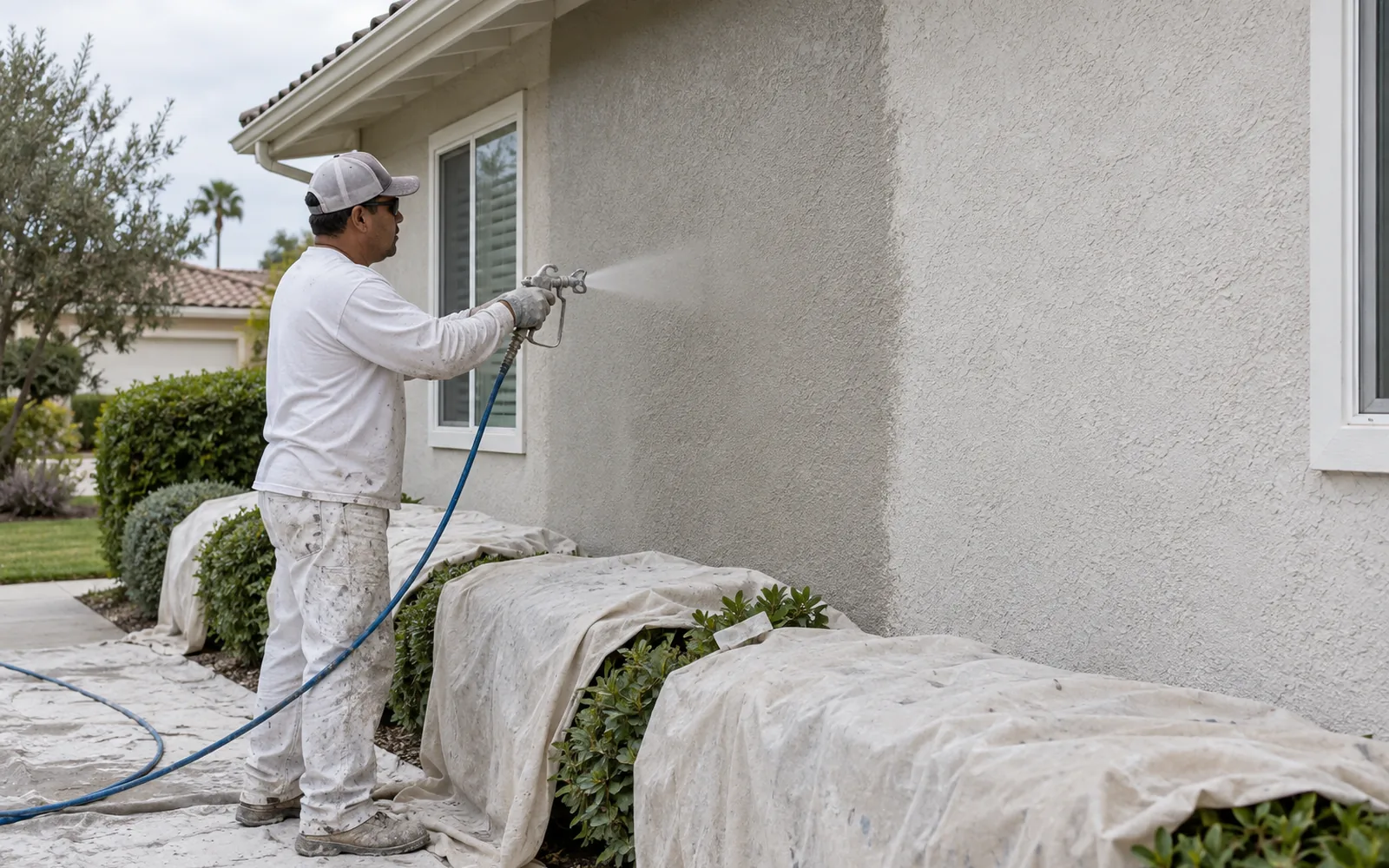
Worker spraying coating onto a house wall over drop cloths

Paint and coatings go over a finish that is already in place. Fresh cement plaster holds water from mixing and has to dry before anything is rolled or sprayed over it, so on a recently built wall the question is when the finish is ready rather than how to rescue it. Breathable masonry paint lets the wall continue drying outward, while an elastomeric coating forms a thick, flexible film that stretches across hairline cracks as the wall moves. We wash, patch and prime with a stucco primer first, because a coating only lasts as long as the surface it is stuck to.

Stucco Installation

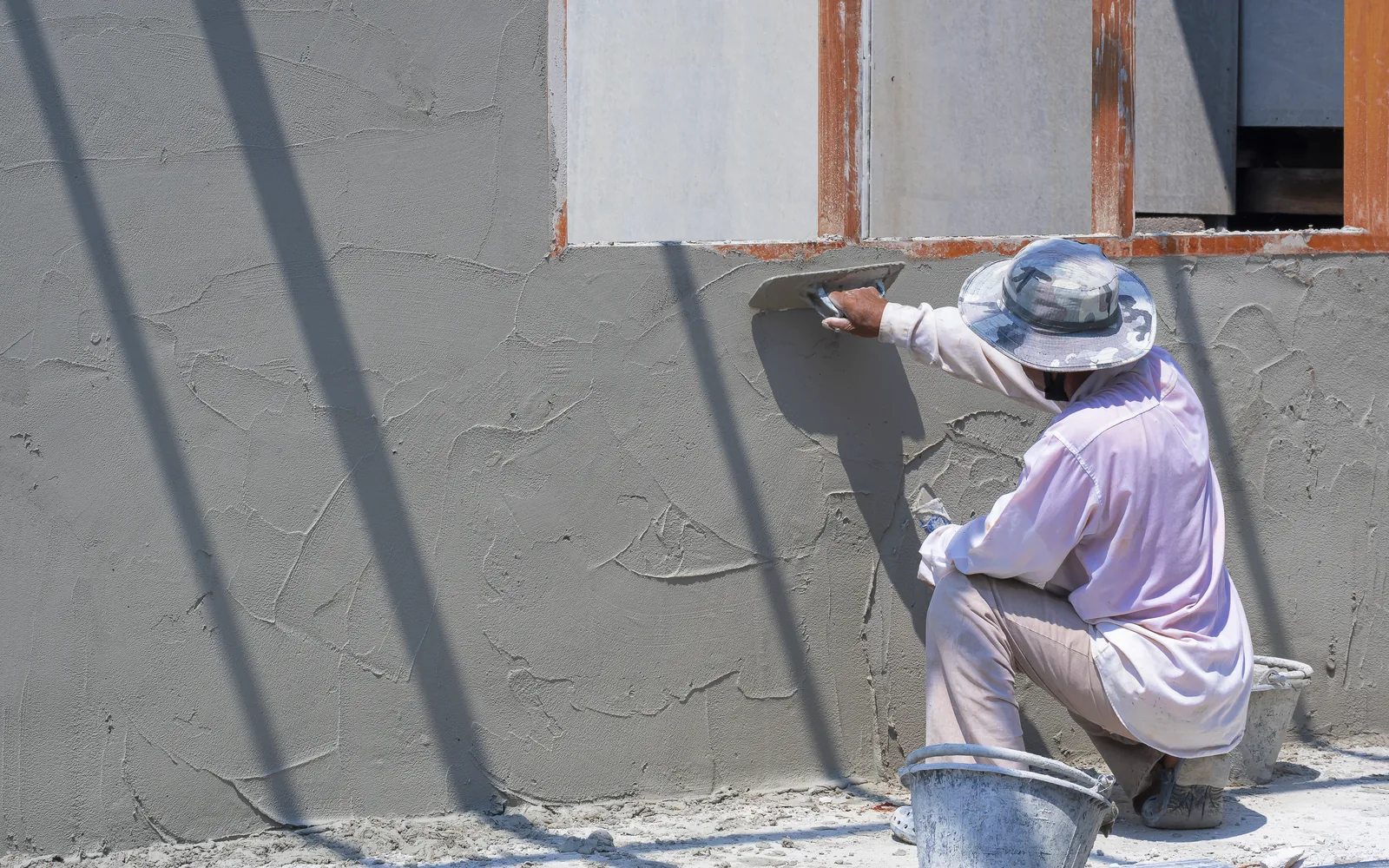
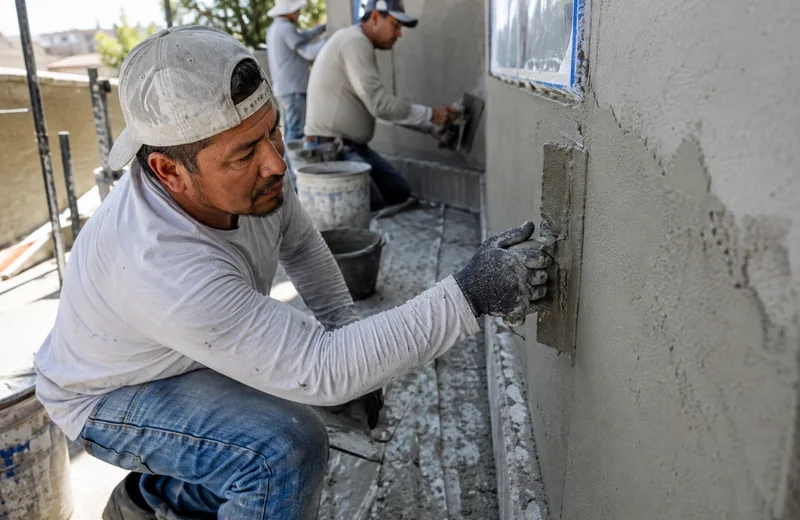
Plasterer in a sun hat troweling a large grey wall

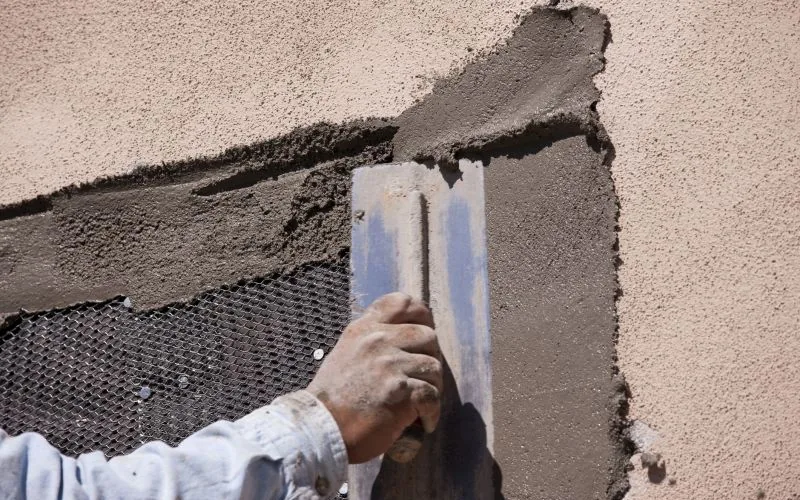
This is the wall assembly itself, built layer by layer. A water-resistive barrier goes on first, followed by metal lath and then three coats of portland cement plaster, whether the work is on new framing here or on a wall being converted from siding. The lath is a wire mesh that the wet plaster squeezes through and grips as it hardens. At the bottom edge, a weep screed, a shaped metal strip, gives any water that reaches the back of the plaster a way to drain out.

The weep screed is the flashing at the bottom edge of the wall that lets trapped water out, and it needs clear space below it: at least four inches above earth, at least two inches above paving. That clearance is easy to lose after the stucco is finished. A raised flowerbed can bury the screed, and a patio poured tight against the wall can cover it, leaving the bottom of the wall without the drainage space it was built to have.

Residential Stucco

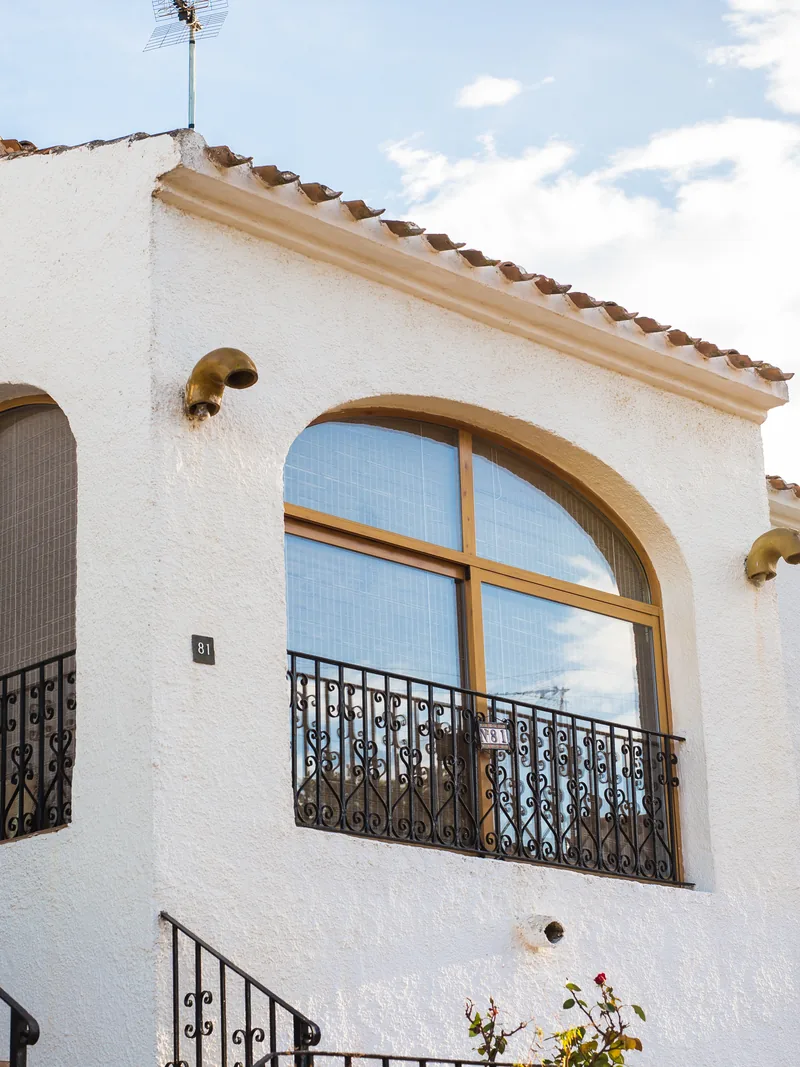
Well-kept stucco exterior with an arched window and iron balcony

House work covers whole houses, additions, garages and outbuildings. We work across the entire building envelope, meaning every outside surface that separates the inside from the weather, so the scope covers the building as a whole, not just a single wall. A detached garage gets the same system as the house, with one crew working to one specification across every elevation.

Stucco Inspection

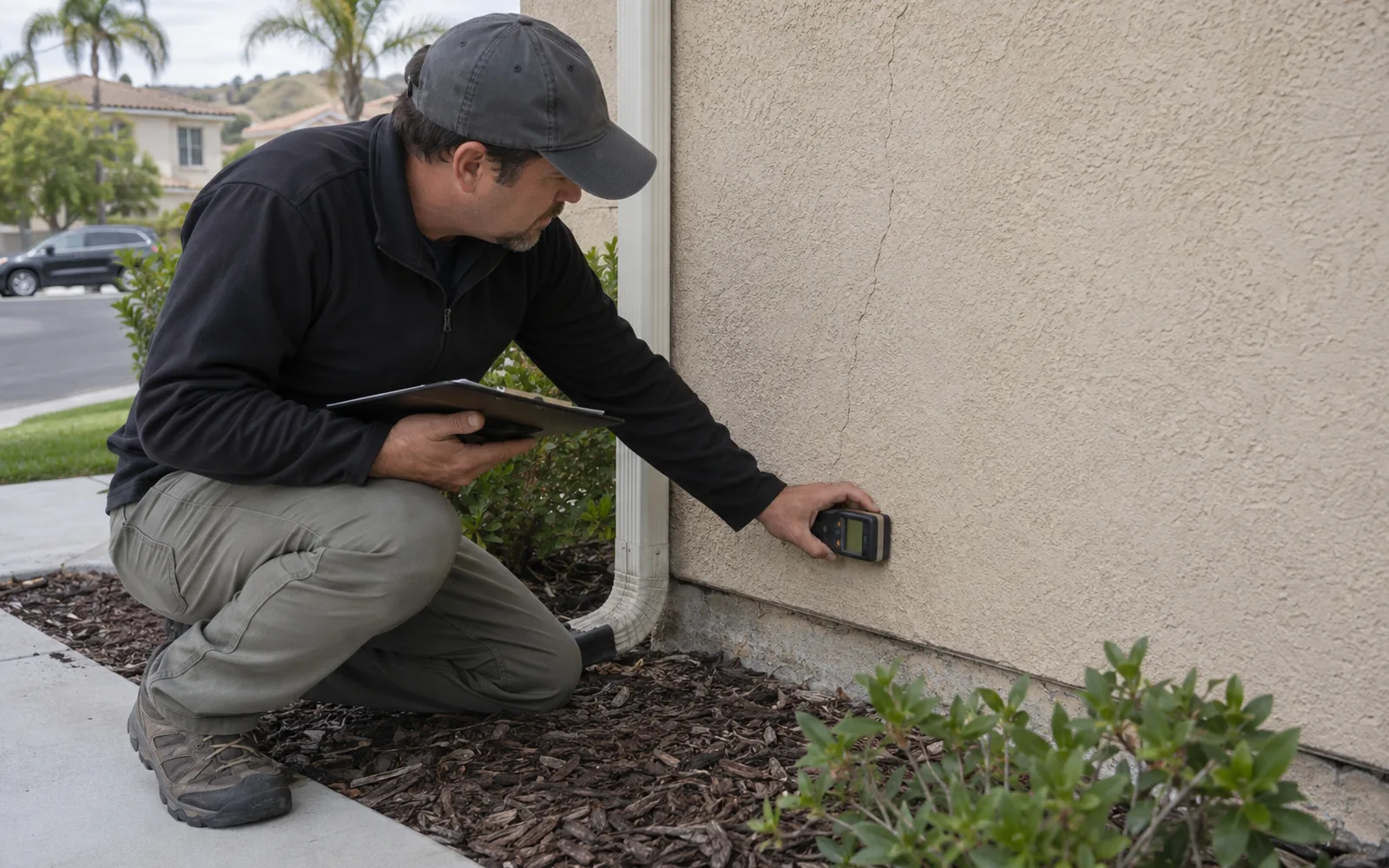
Inspector kneeling at a wall base with a moisture meter and tablet

An inspection looks at what is on the wall now and gives you a written report of what we found. We check the finish, the joints, the openings where pipes and vents come through, and the base of the wall, and we take moisture readings with a meter wherever the wall reads wet. Owners ask for an inspection before a sale and, on newer work, at handover, when the question is whether what was built matches what was specified.

Stucco Repair

Rebuilt stucco patch blended into the surrounding wall

Stucco repair is the right fit when the damage is limited to cracks, spalls, bulges, or failed patches on an otherwise serviceable wall.

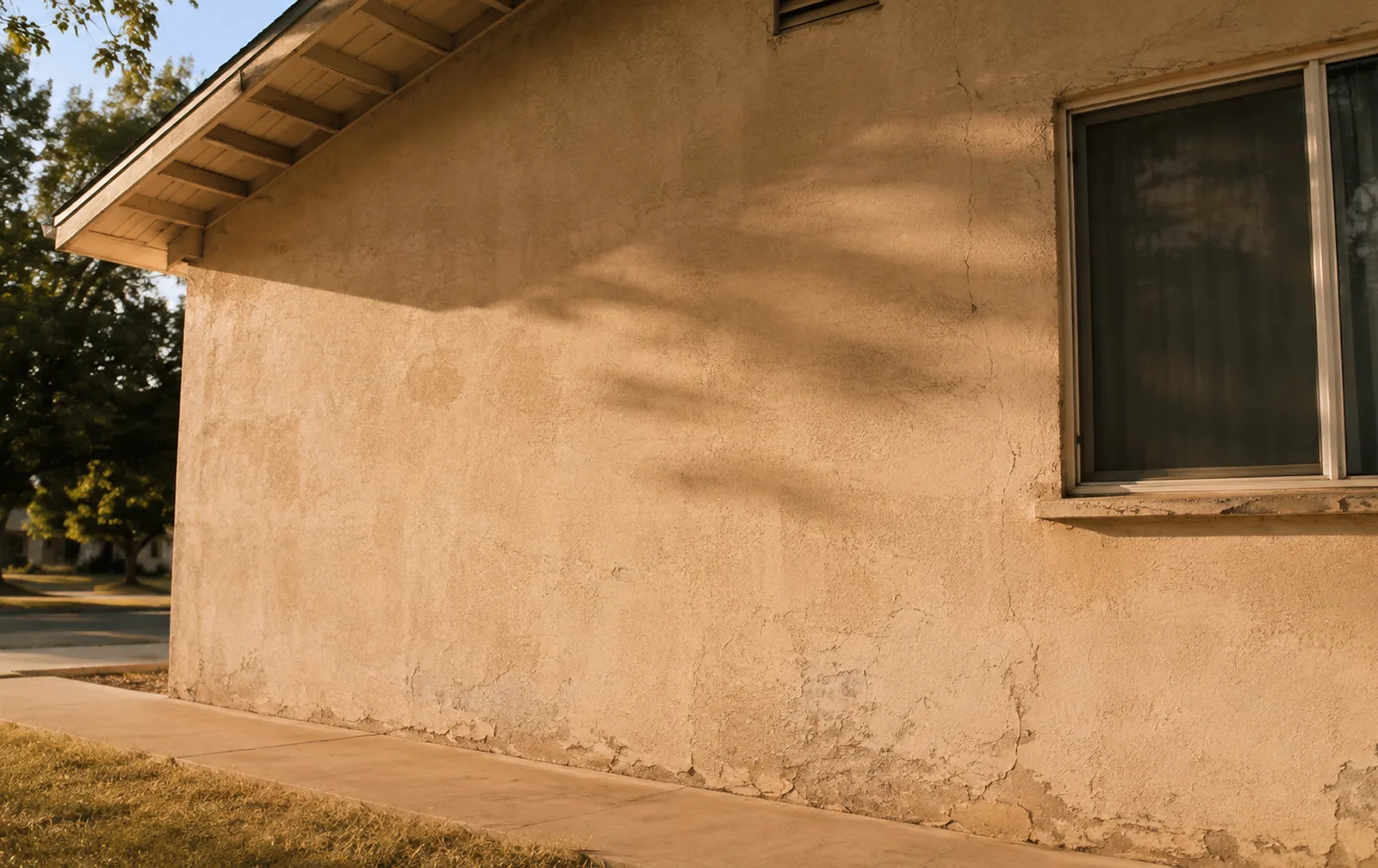
We repair visible damage on existing walls, including cracks, spalls where the surface has broken away, bulges and patches that have let go. Older walls in Paradise sit alongside new ones, and most of this work is on those older walls. We cut back to sound material instead of skimming over the failure, then rebuild that area and match the surrounding texture. Matching is the harder half, because a sound patch in the wrong texture is still a patch you can see from the street.

Stucco Removal & Replacement

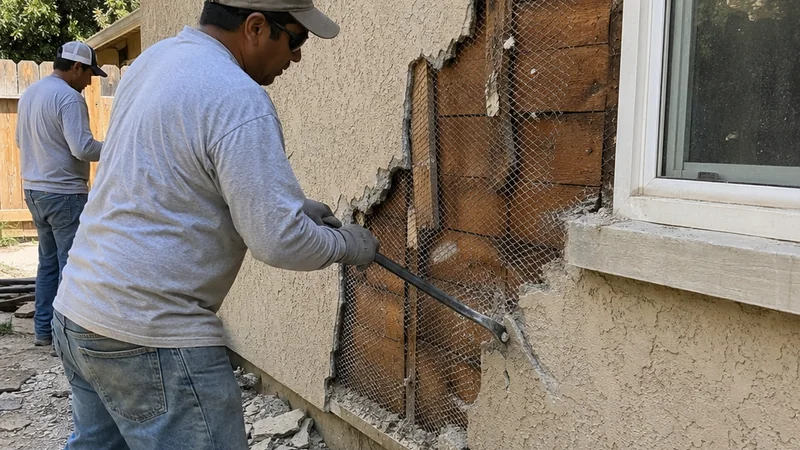
Cutting failed stucco away to expose the lath behind it

Removal and replacement is the choice when the existing wall system has failed widely enough that rebuilding a whole elevation makes more sense than patching it.

We remove the old wall system and build a new one behind the finish, taking a whole elevation at a time so the wall is never left open in patches. Construction from before 1978 is tested for asbestos and lead before anything is disturbed. Once the wall is open, you can see the sheathing before it is covered again, and new barrier and lath go back underneath the plaster.

Stucco Remediation

Working new plaster over a moisture-stained wall

Remediation is for walls where water has already reached behind the finish, and signs such as staining, soft sheathing or swollen trim are showing.

We deal with water that has already reached the back of the finish. Staining, soft sheathing and swollen trim are the visible signs, but the place they appear is usually below or beside the leak, while the leak itself may be elsewhere. We map moisture across the wall and open the wall where the readings lead, usually at an opening or a pipe penetration on newer work. Where mold is visible, a qualified independent specialist handles that assessment, because testing and removal are their own trade. Before any finish goes back, we rebuild the flashing and sealant at the failed detail.

Commercial Stucco

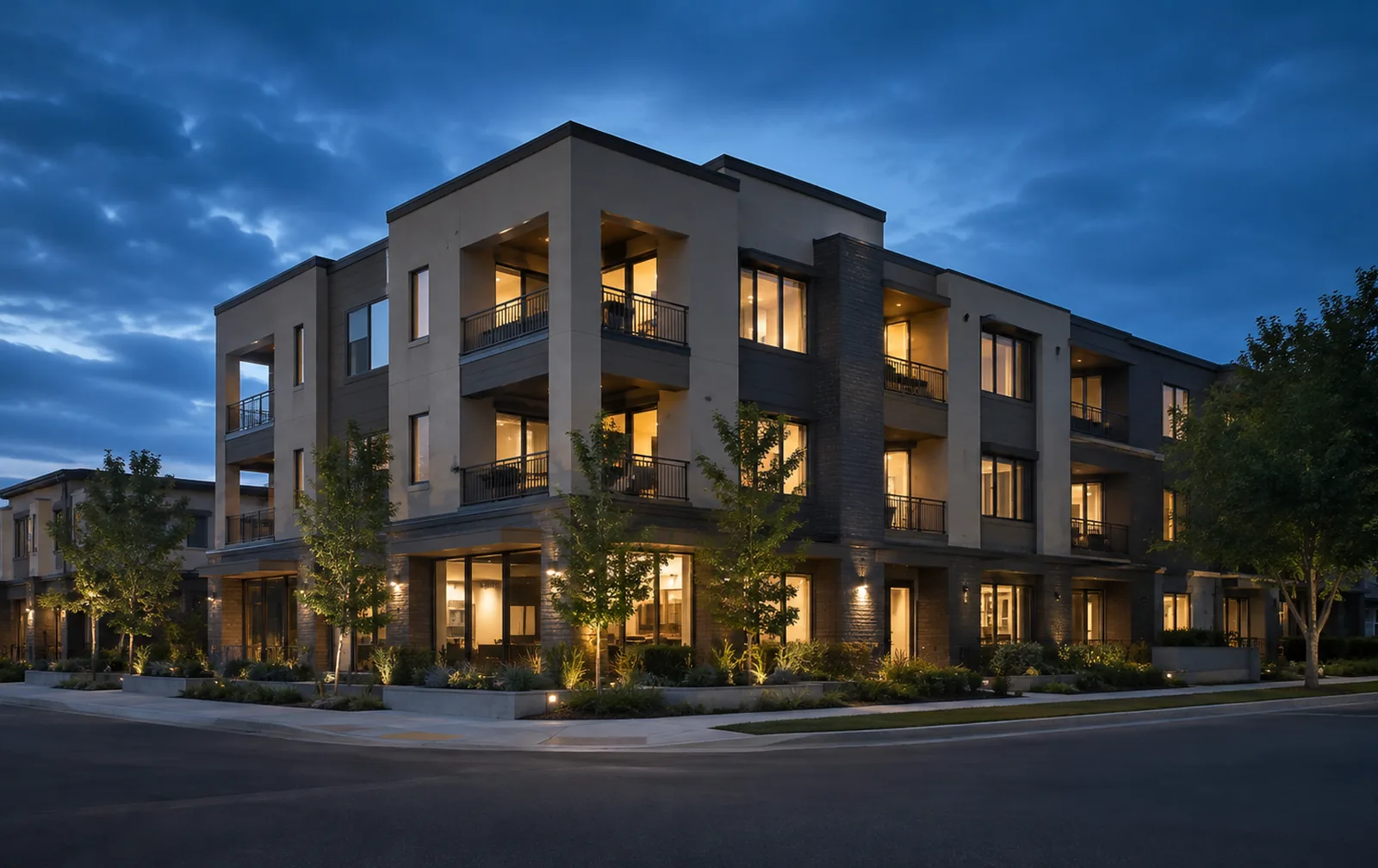
Multifamily building with a stucco exterior at dusk

Commercial work covers storefronts, offices, multi-unit buildings and light industrial buildings. We work on one elevation at a time so the building keeps working while the job is underway. These projects run on a longer schedule than a house, and your general contractor has one point of contact from start to finish.

Stucco Plastering

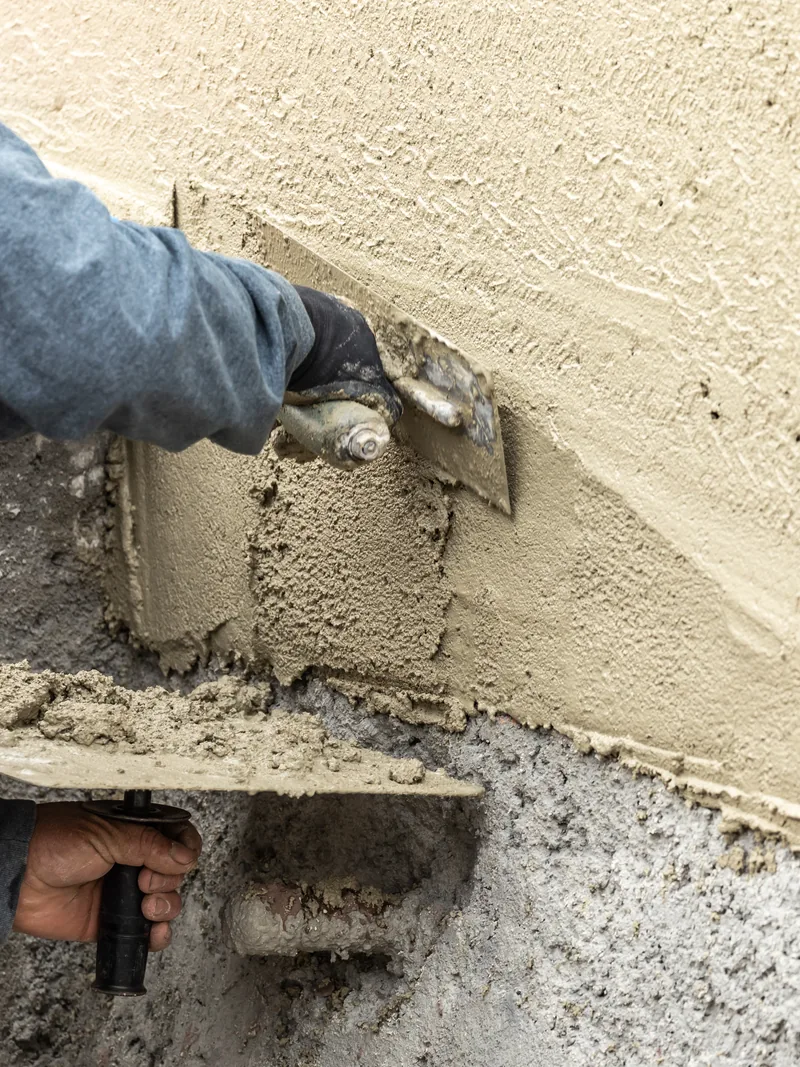
Troweling plaster onto a prepared wall

We plaster the parts of a property that are not the house itself: garden and site walls, columns, parapets and pilasters. New buildings bring new site walls with them. Because a freestanding wall is exposed on both faces, it is capped and detailed to shed water from the top, and it receives the same coats and curing as a house wall. Where you want the walls and house to read together, we match the house finish.

New Construction Stucco

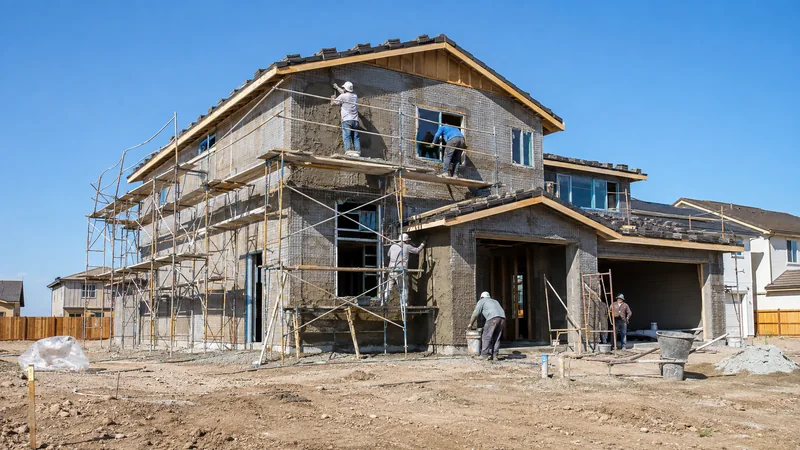
Stucco going up on a new building under construction

New construction stucco is defined by where the plaster fits into the build, not by what it is made of. We come in after the framing, the sheathing behind the finish and the openings are complete, then take the wall through to the finish coat. Your builder holds the calendar, and we schedule our work around theirs.

Decorative Stucco

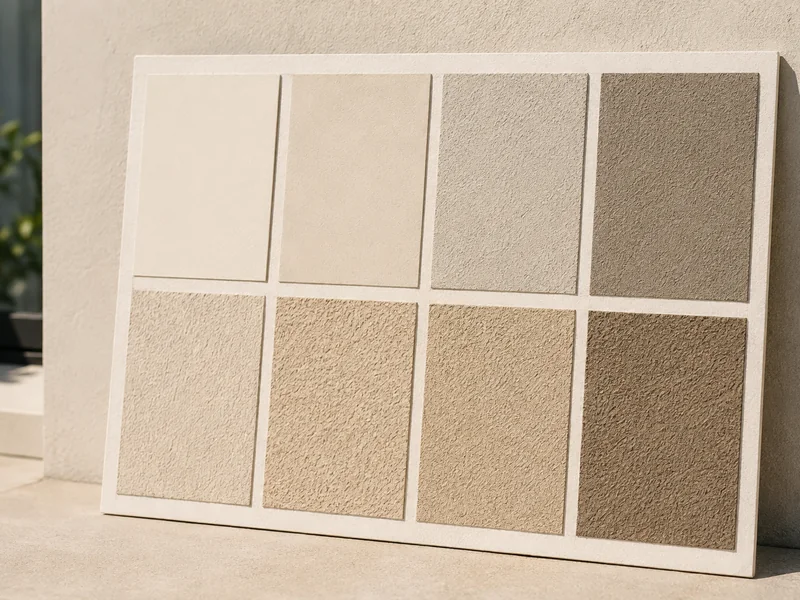
Sample board of stucco textures and colors

Decorative work covers both the texture and the shaped details on the face of a wall. Sand, smooth, lace, dash and skip-trowel are the common finishes, each created by working the acrylic finish differently as it goes on. Trim, bands and window surrounds cut from expanded polystyrene, a light rigid foam, are plastered over to give the elevation shape. On a new elevation there is no neighboring wall to match, so we put up a sample panel for you to choose the finish and color from, then record the pigment information used on that sample.

Interior Stucco

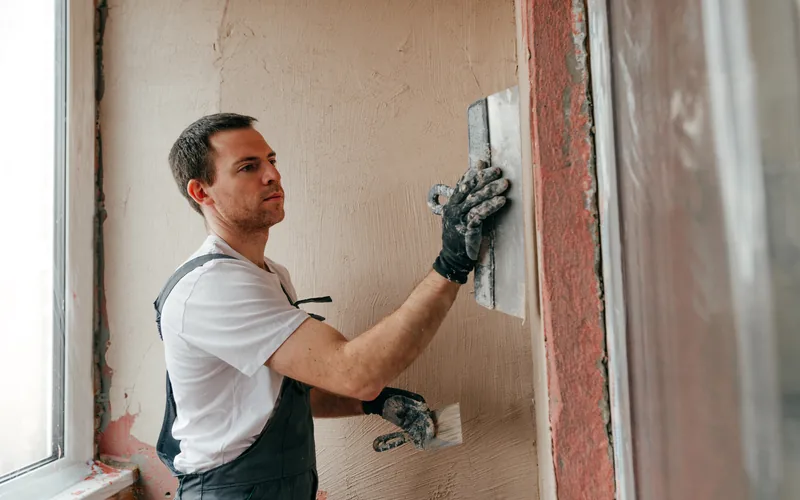
Plastering an interior wall around a window in an occupied room

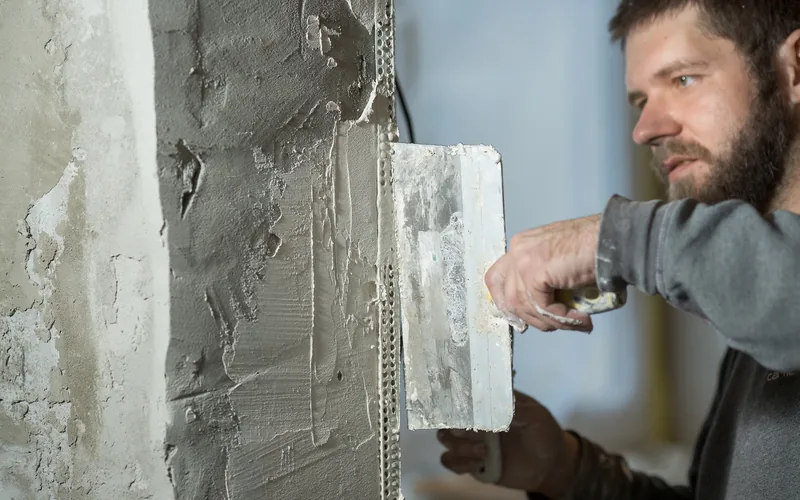
Interior plaster is troweled onto walls inside the building in venetian and smooth finishes, on fireplace surrounds, feature walls and archways. Gypsum and lime plasters are used indoors where cement plaster is not. Interior work is not weather dependent. We cover the finished floors and openings before we start.

Stucco Resurfacing

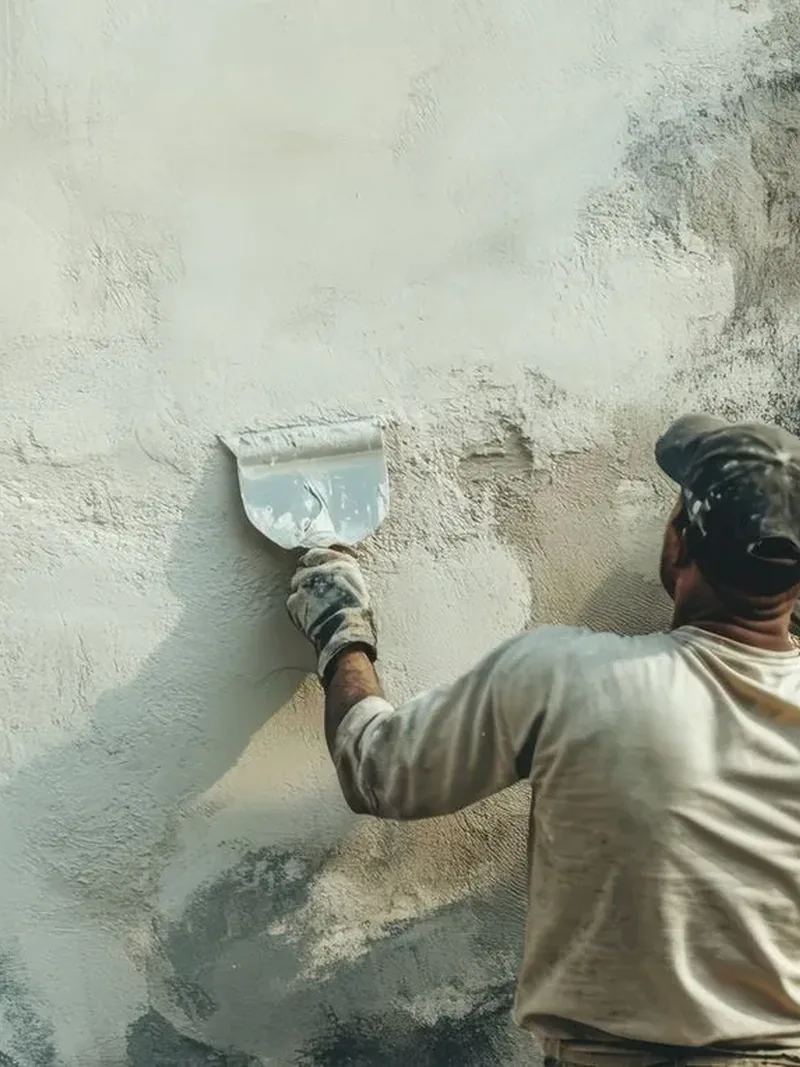
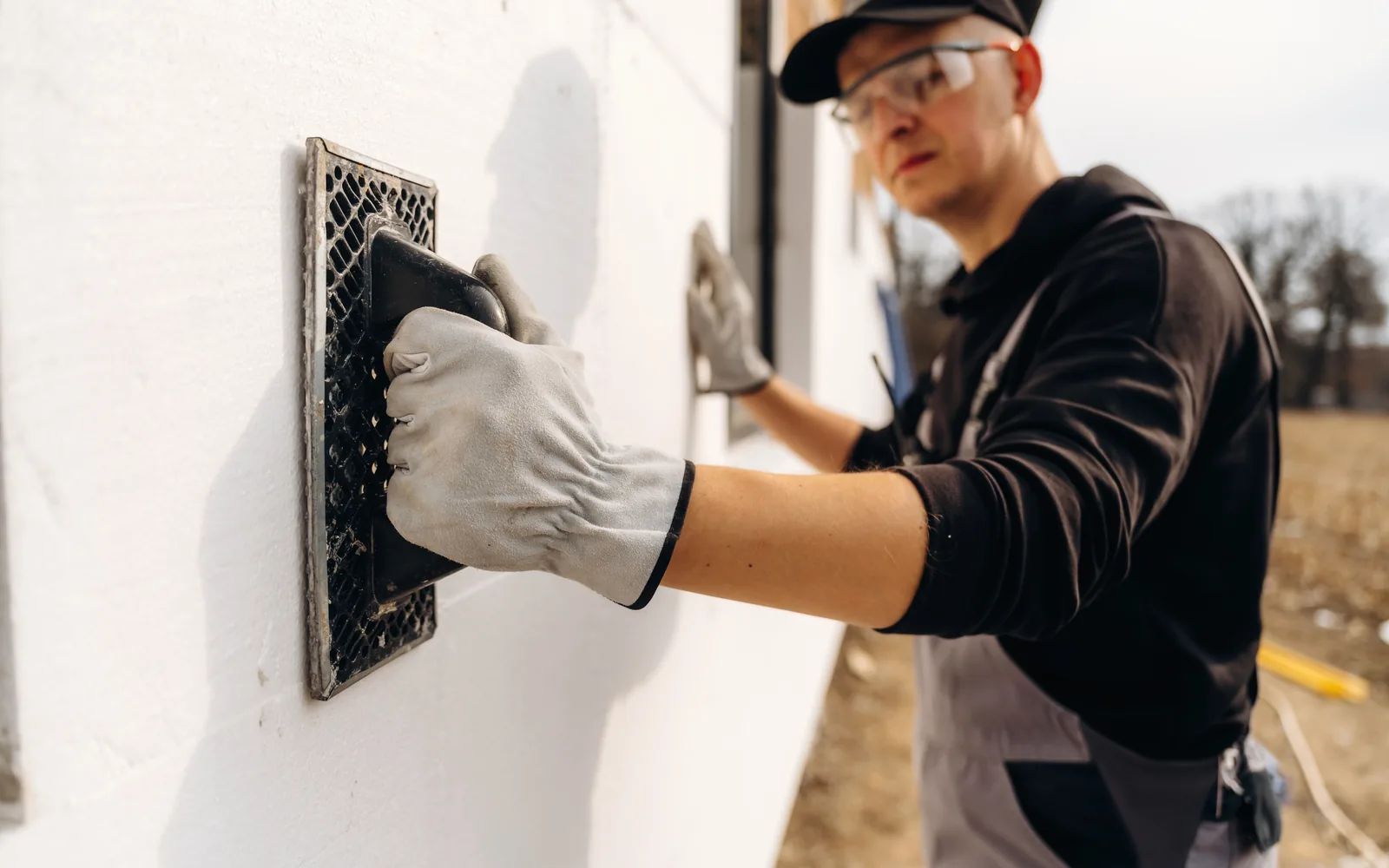
Gloved hand drawing a float across a white stucco wall

Resurfacing suits a wall that is sound underneath but worn or uneven on the face, once any repairs it needed are finished.

We put a new cement surface over a wall that is structurally sound, which is what an older Paradise wall usually needs once repairs are complete. A fog coat is a thin cement wash that evens out the color, while a redash sprays a new texture over the existing one. Neither will hold if the wall is loose or wet underneath, so we test how well a new coat bonds before choosing the method. That is how an older elevation is brought up to the look of a newer one.

What a Stucco Contractor Decides on a Paradise Wall

When your building is still going up, the plaster goes onto framing with no finish history, and that changes what a stucco contractor has to decide. On an existing wall, we open the wall and find out what is there. On new framing in Paradise, nothing is hidden yet, so the specification comes first and has to be right because each layer permanently covers the one beneath it. Portland cement plaster goes on in coats, and once the scratch coat, the first rough layer pressed into the mesh, is in place, the metal lath and barrier are no longer visible.

Why Paradise Walls Are Built for Fire

The 2018 Camp Fire destroyed most of Paradise, and the town has been rebuilding since. Paradise is a Very High Fire Hazard Severity Zone on the state maps. Homes built here have to meet California building codes that set what exterior materials and assemblies have to do in a wildfire zone. The Town of Paradise runs its own building department and inspects construction to those requirements. Portland cement plaster is a non-combustible cladding, which makes it one option for the exterior of new construction. That property applies to the plaster itself and does not mean a stucco exterior can prevent a house from burning.

The plaster is only one part of the exterior assembly. California building codes also set requirements for eaves, soffits, vents, and other openings where wind-driven embers can enter. Those parts of the house have to use materials, assemblies, and vent designs that meet the applicable wildfire-zone requirements. The goal is not to treat the stucco as a protective shell, but to build each part of the exterior to the standard required for homes in Paradise.

Why Windows and Doors Decide Whether a Wall Leaks

Stucco always lets some water pass through, so the waterproofing comes from the water-resistive barrier behind it rather than the plaster itself. That barrier acts as a drainage plane: water that gets through the plaster runs down its face and back out. For that to work, the barrier has to remain continuous, and that continuity is determined at the laps and terminations rather than in the middle of the wall, which makes windows, doors and pipe penetrations the details that decide the outcome. Over wood sheathing we install two independent layers of barrier. We walk the openings with the framer before the barrier is lapped.

Crew applying a stucco finish coat to a wall

Why Curing Sets the Dates, Not the Calendar

Each coat needs its own damp curing time before the next one goes on, and the finish coat waits the longest, so the wall sets the plaster dates rather than the calendar. We schedule backward from the finish, reserve dates that give the system its required curing window, and hold those dates. We coordinate the lath inspection hold point with the general contractor, and both you and the trades who follow us get those dates in advance.

ASTM C926 sets the curing intervals we build the dates around. The scratch coat is moist cured about 48 hours before the next coat, and the brown coat cures about seven days before the finish coat goes on. Paint waits longer again, and how long depends on the coating, so we take that date from the paint manufacturer rather than from the plaster standard.

Which Cracks Are Normal and Which Are Not

Some cracking is normal in stucco because portland cement plaster shrinks as it cures. Fine hairline cracks that show up during the first year are usually cosmetic, especially when they stay narrow and do not change. Cracks become more concerning when they widen, keep growing, follow a structural joint, or appear with movement, staining, or separation in the wall.

Control joints are deliberate breaks in the plaster that divide a large wall into smaller panels and give each section somewhere to move as the building and the plaster expand, shrink, and settle. When a wall is run too large without enough joints, that movement still has to go somewhere, so the plaster can crack on its own instead of along a planned line.

Reading a Bid: Three Coats, One Coat and EIFS

When you compare stucco bids, make sure the contractors are pricing the same wall system. Traditional three-coat portland cement plaster is installed over lath in separate coats and builds to about seven eighths of an inch of plaster. One-coat systems use a thinner cement plaster assembly, often over foam, so the wall goes together with fewer plaster coats and a shorter installation sequence. EIFS is different again. It is an exterior insulation and finish system built around foam insulation with a reinforced finish over it rather than a traditional portland cement plaster assembly.

We install three-coat portland cement plaster. That does not make every other system the same or wrong, but it gives you a clear basis for comparison. If another bid says one-coat or EIFS, you are looking at a different wall assembly, so compare the specified system, layers and finish before comparing the scope.

Stone Veneer & Stucco in Paradise

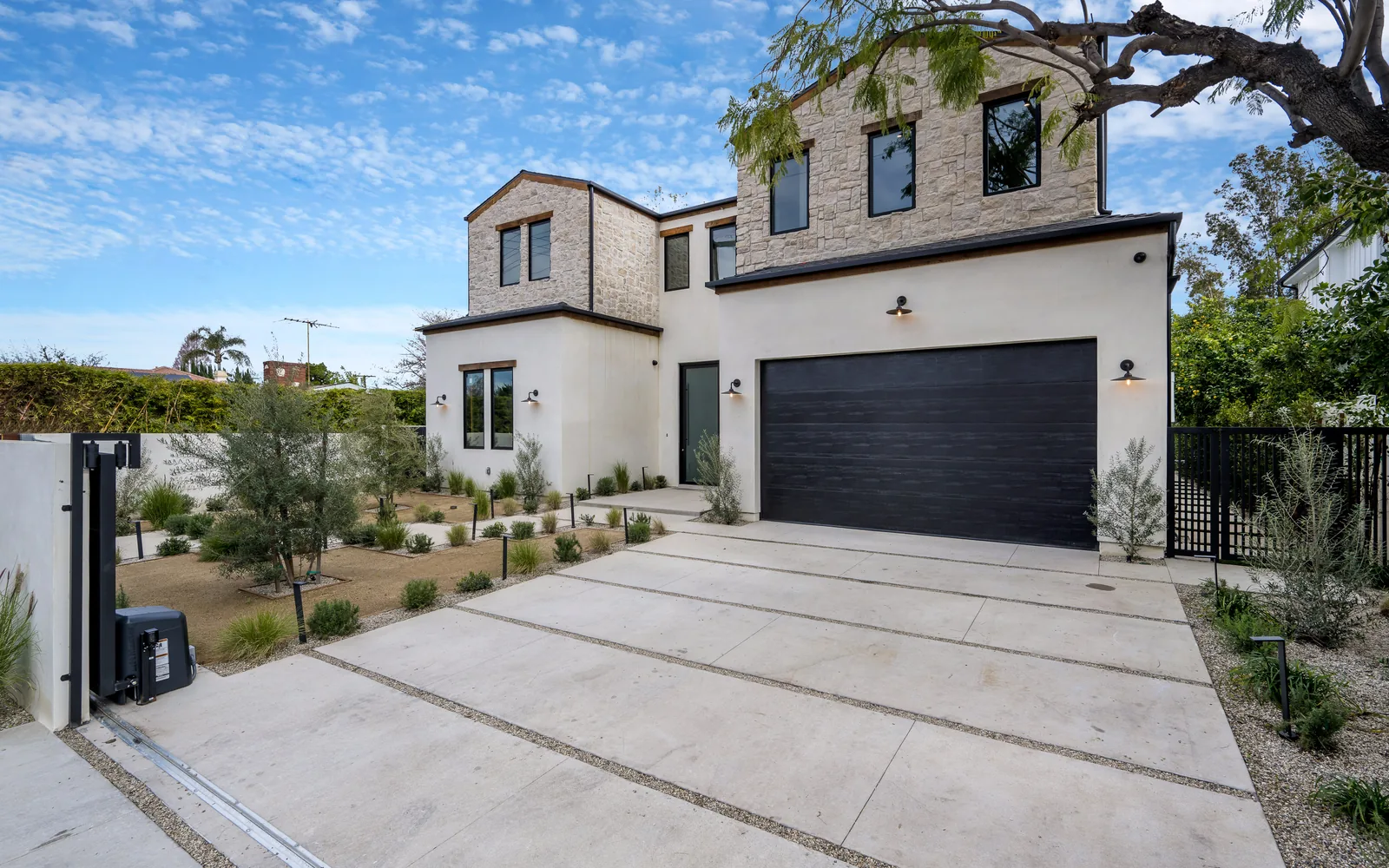
Stone veneer is a facing of stone applied to a wall that already carries the load, and on a new elevation in Paradise it is specified alongside the plaster rather than added afterward. Manufactured stone veneer is cast from concrete and installed much like plaster, over metal lath and a scratch coat, which is also how plaster begins. Natural stone is quarried and heavier, so it is set on a supporting ledge and tied back to the wall instead. Behind both materials runs one water-resistive barrier, creating a single shared drainage plane, which is why stone and stucco contractors specify the two together.

Where the Stone Stops and the Plaster Starts

The break line is where the stone stops and the plaster begins, and on a new wall it is drawn before any layer is lapped. Water running down the plaster reaches that junction and has to be directed out rather than allowed behind the stone, so the transition is flashed with a metal edge instead of simply butting the two materials together. We show you that break line on the elevation drawing.

Matching Stone and Plaster on One Elevation

The plaster color is chosen against the stone rather than on its own, because a finish that looks right by itself can read gray or yellow beside the stone. We put both materials on a sample panel and judge them side by side outdoors. The mortar joint color also changes how the stone reads, so we settle that on the panel as well. You sign off on the combination before the wall is finished, and the panel stays on site while the elevation goes up so you can compare it with the finished work in real light.

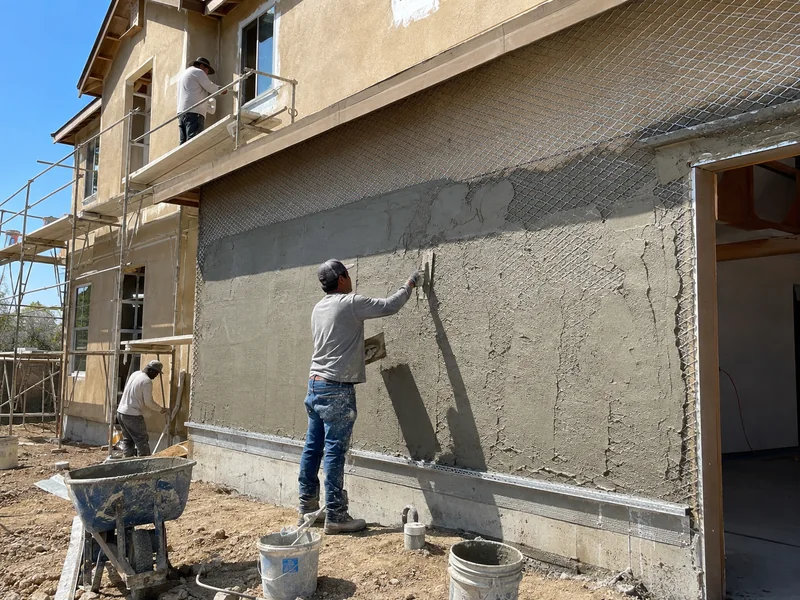
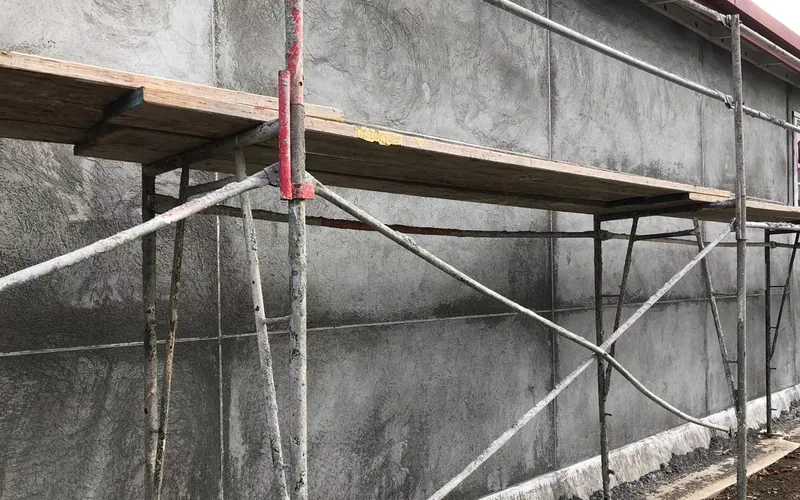
Crew applying a scratch coat over lath on a house under construction Scaffold set along an elevation for plaster work

About Paradise, California

Paradise is an incorporated town in Butte County and has been since 1979. It sits on a broad ridge between two canyons, with the west branch of the Feather River dropping away to the east and Butte Creek running below the western side. Chico is about twelve miles down the hill to the west, while Sacramento is about eighty-five miles south. The Skyway carries traffic up and down the ridge, and Highway 191, Clark Road, is the way down off the ridge to Oroville.

Much of the town has been rebuilt in recent years, so a Paradise stucco job is more often a new wall than an old one. Older walls are still here, though, and if yours is one of them, we look after that work too.

Paradise High School stands in town. Below the ridge, down Humbug Road in the Butte Creek canyon, the Centerville Schoolhouse is an 1894 one-room school that is now kept as a museum, while Forks of Butte lies farther along in the same canyon country.

Where We Work In and Around Paradise

Paradise has no neighborhood names on the record that we could find, and the places we are asked about most often are separate communities rather than parts of the town itself. Butte Creek Canyon, Concow and Yankee Hill are three separate communities near the ridge, each with its own address and character. All three are in Butte County, and a Paradise stucco contractor covers them as a matter of course.

Plaster worked over metal lath, with the finish coat above it

Butte Creek Canyon: Remediation on a Canyon-Side Wall

Butte Creek Canyon is a census-designated place west of the ridge, not a district of Paradise. The canyon floor holds damp that the ridge sheds, because cool air and moisture settle in the low ground and dry more slowly. A wall down there ages differently from the same wall above it, so we read the moisture in that plaster before we quote any finish work on it.

Concow: Repair and Replacement on Scattered Parcels

Concow is an unincorporated community of its own, east across the canyon. Parcels there are large and scattered, with no street grid to make one property a guide to the next. We price and schedule each job on its own, whether the work means filling cracks in a sound wall or removing a failed wall and building it back.

Yankee Hill: New Builds Reached off Highway 70

Yankee Hill is an unincorporated community about seven miles east, with access off Highway 70; the Skyway runs along the ridge and is not the way in. We install full portland cement plaster systems on new buildings there, and on a parcel reached from a different highway, we agree on delivery and water supply before booking the crew rather than waiting until the morning we arrive at your gate.

Magalia and Paradise Pines: Up the Skyway

Magalia is its own community in Butte County, immediately north of Paradise along the Skyway on the same ridge, with Paradise Pines inside it. They are part of the same rebuilding, but each property still has its own wall condition and scope. We price and schedule the stucco work for the house in front of us, from limited repairs to full removal and replacement.

Working on a Paradise Street: Access, Space and Dust

A street in Paradise is rarely finished all at once. The Skyway runs the length of town, with residential streets branching off it, and along those streets one parcel may be framed while the one beside it is landscaped and the one across the road is still bare. That makes your frontage a shared working site rather than a private one, so a Paradise stucco contractor has to plan around the street conditions we find on the day we start.

Getting Material and Scaffold onto a Working Street

Plaster arrives as material that must be mixed on site, so the job needs a mixing station with enough room to work and access to a water supply on or beside your property. Scaffolding also needs a clear run along the walls we are coating. Where another trade is already using the same frontage, we agree on that space rather than assume it is available, so we walk the site with you first and settle where the staging area and mixing station will go.

Keeping Dust Off a Wall That Is Still Wet

A fresh coat stays soft for hours and picks up whatever is blowing past it, leaving grit in a finish that should be smooth. Earthworks or framing next door put plenty into the air. We screen the elevation we are working on, time the coat around the work happening nearby, and ask the neighboring crew when they expect to raise dust.

Working Through Summer Heat and Winter Frost

Summer heat in Butte County can push past 100 degrees, while Paradise sits at 1,778 feet and also sees frost. In hot weather, we shade the wall, lightly fog a west elevation when needed, and avoid putting fresh plaster on a wall that is heading into direct afternoon sun. At the cold end, plaster does not go on below about 40 degrees, and we protect fresh work from the cold for the next day or two while it begins to cure. Magalia sits some 550 feet higher than Paradise, so that end of the year reaches it first.

Floating plaster against a metal bead at a wall edge Carrying a bag of plaster mix on site

Permits and Inspections on a Paradise Job

Because Paradise is incorporated, the Town of Paradise runs its own building department and issues building permits for work inside the town limits. Not every job needs a permit, and at the estimate we tell you which side of that line your work falls on. Plastering also has its own licensing classification, which is described below.

Whose Permit It Is, and Who Makes the Call

On a new house, the permit belongs to the builder rather than the individual trades, and a stucco contractor in Paradise works under that permit instead of holding a separate one. Our work reaches a hold point before the plaster coats go on, meaning the job pauses until the building department has inspected what is behind the plaster over the metal lath. The builder books that inspection, so we give them the date by which the call needs to be made. Coordinating that timing with your general contractor is a real part of the job, and we do not start the coats until the inspection has taken place.

Who Is Licensed to Lath and Plaster in California

The Contractors State License Board defines the C-35 Lathing and Plastering classification around lath, the metal studs and channels that support it, and the plaster coatings applied over it. Small cosmetic patching may fall within limited handyman work, while larger projects generally require a properly licensed contractor. Knowing what the classification covers helps you ask the right question before hiring anyone, because the lath and the plaster over it are one trade rather than two, and a wall goes wrong where the two meet.

Stucco Questions From Paradise Property Owners

When in a new build does the stucco actually go on?

The plaster goes on once the shell is closed in and signed off, and before the outside of the house is finished off. Placing it there is deliberate. A plastered wall is one of the few parts of a new house that cannot be pulled off and done again without taking the wall apart, so it waits until everything that belongs behind it is in place and stays where it is.

Do you have to wait for an inspection before plastering?

On permitted work, yes. The lath is signed off before anything covers it. That date is not ours to set, so we book around it early and the wall is never held up waiting on it.

Can you work directly with our general contractor?

Yes, and most new-build work here runs that way. The builder gets one person to call and one set of dates from us, which is one fewer trade they have to chase for an answer.

Does waiting for stucco to cure hold up the rest of the build?

Curing time is fixed, so the schedule bends to it and the coats are never rushed. Work usually moves to another elevation while one side sits, and the trades that follow can often be sequenced the same way, so the site keeps going.

How do we choose a finish when there is no wall to look at yet?

We put a sample panel up on the site before the wall is finished. A finish reads differently at the size of a wall and in the light that falls on your property, and a small chip held in your hand cannot show you either.

Do you cover the whole ridge, or just Paradise itself?

We cover the town and the communities around it. We work throughout Chico and Butte County, and into parts of Glenn and Tehama. That matters if your property sits off the ridge on a canyon road or across in Concow, because being outside the town limits changes who inspects the work, not whether we come out to it.

Get a Free Stucco Estimate in Paradise

Call or use our online form now for a free estimate. We will come out, look at the walls and put the scope in writing. If you are building, the most useful conversation happens before the metal lath goes up, while the sequence is still open. Reach a stucco contractor in Paradise at (530) 783-7384 or through our online form.